
Fixed Asset Management Services in Canada
Accurate asset records help businesses track costs, depreciation, and financial impact. Our Fixed Asset Services in Canada manage asset registers, CCA, transfers, disposals, and reconciliations. Finsoul Network Canada supports stronger controls and reliable financial reporting.

Why Fixed Asset Management Services Are Important for Canadian Businesses
Your fixed assets can represent a significant part of your investment, operating capacity, and balance sheet. Proper management helps you know what you own, what you paid for it, where you use it, and how its value changes over time.
Our Fixed Asset Services in Canada also help separate accounting depreciation from CRA’s CCA treatment. CRA uses prescribed CCA classes and rules for depreciable property, while financial reporting uses the applicable accounting framework and depreciation policy. Keeping these records separate helps reduce errors in financial statements and tax calculations.
When Your Business Needs Fixed Asset Support
Businesses often need professional support when asset volumes grow, or existing records no longer provide a reliable picture of capital assets.
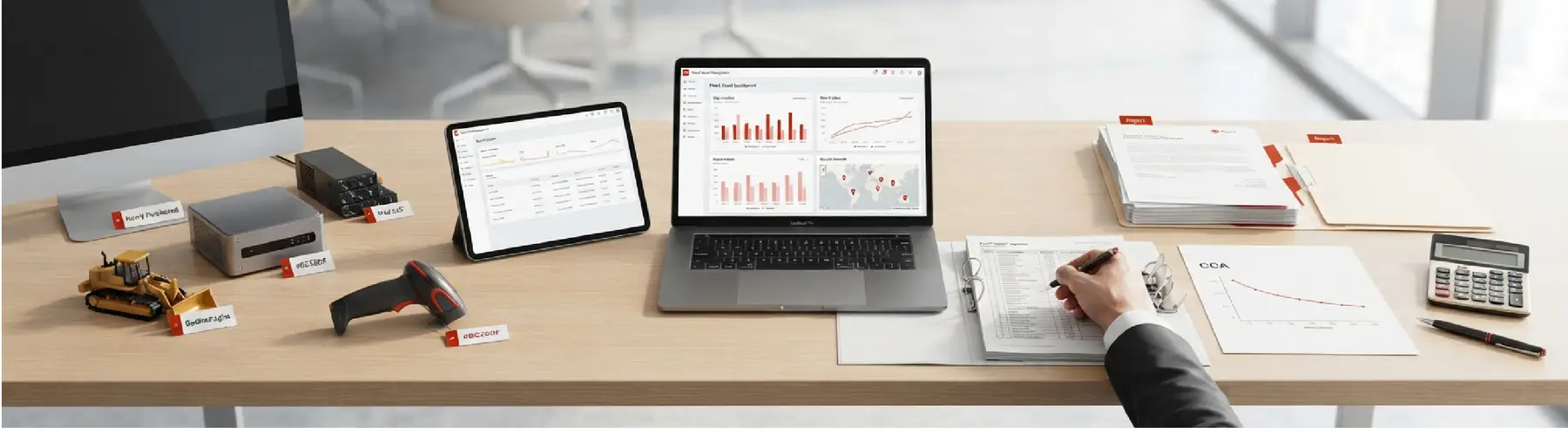
You Buy New Equipment Regularly
Frequent purchases make asset classification, capitalisation, and depreciation harder to manage manually.
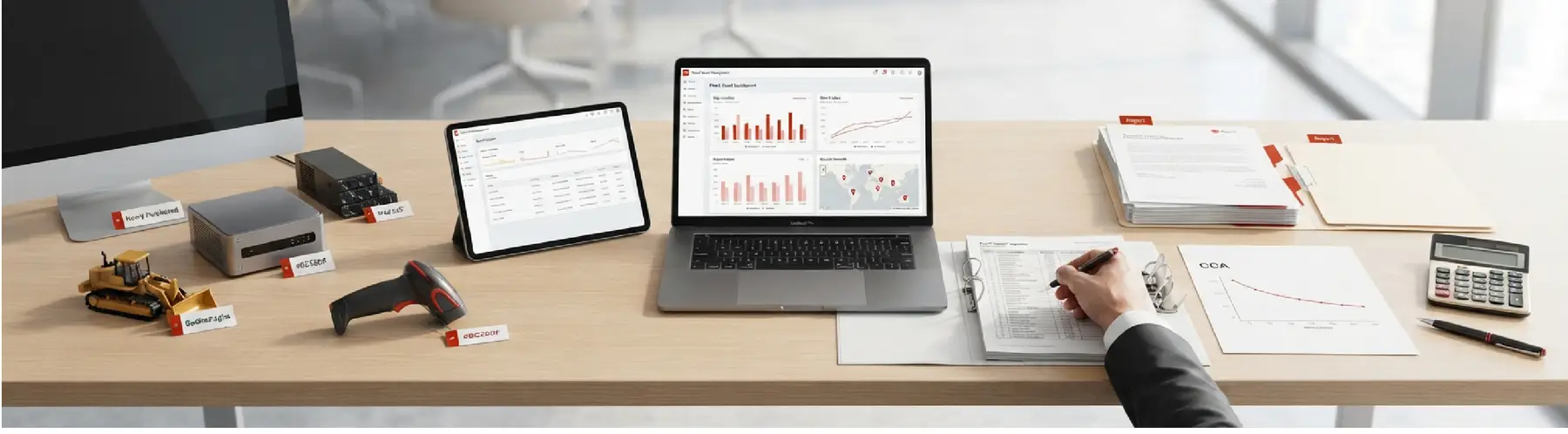
Your Asset Register Is Outdated
Missing acquisitions, transfers, or disposals can leave your records inconsistent with actual assets.
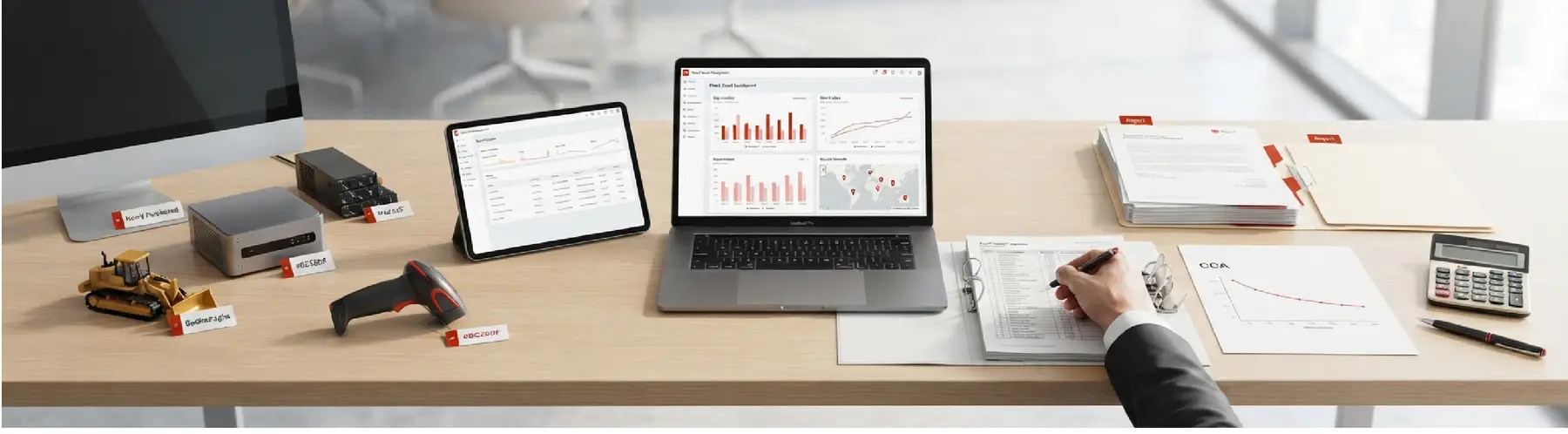
You Manage Vehicles or Equipment Across Locations
Multiple sites increase the need for clear location, custodian, and asset status records.
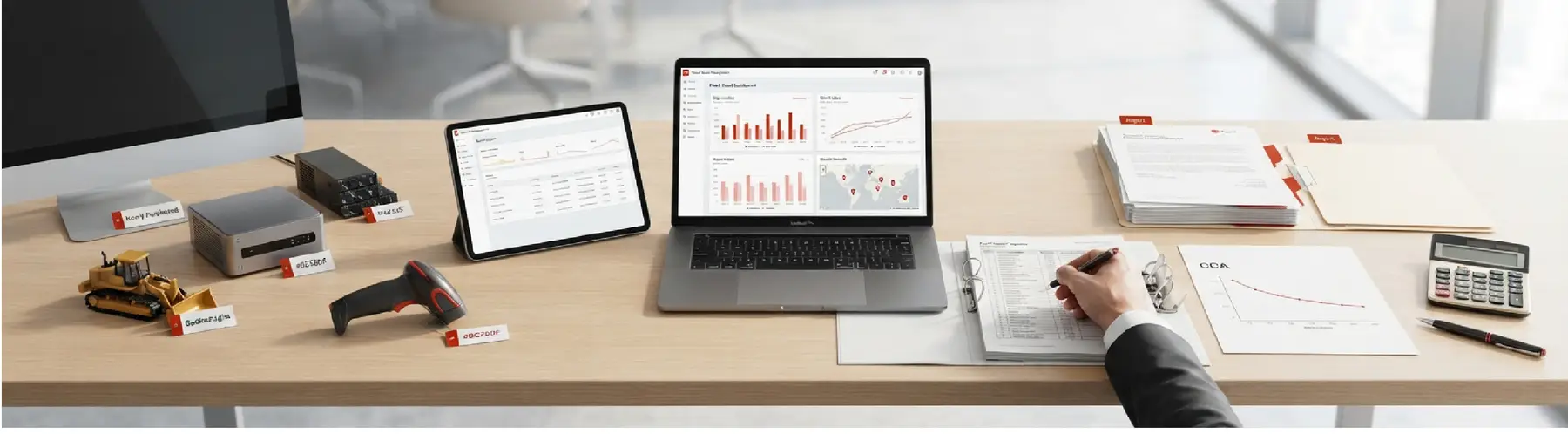
Your CCA Records Need Review
Incorrect classes or incomplete supporting records can affect your tax calculations.
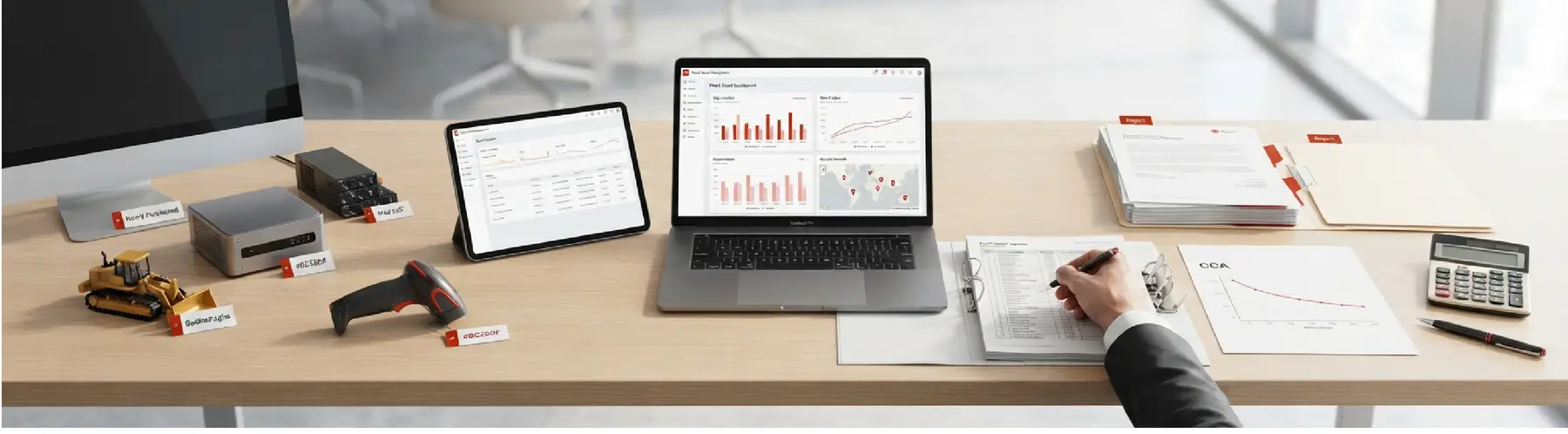
You Prepare for Financial Review
Lenders, auditors, management, and other stakeholders may require reliable asset schedules.
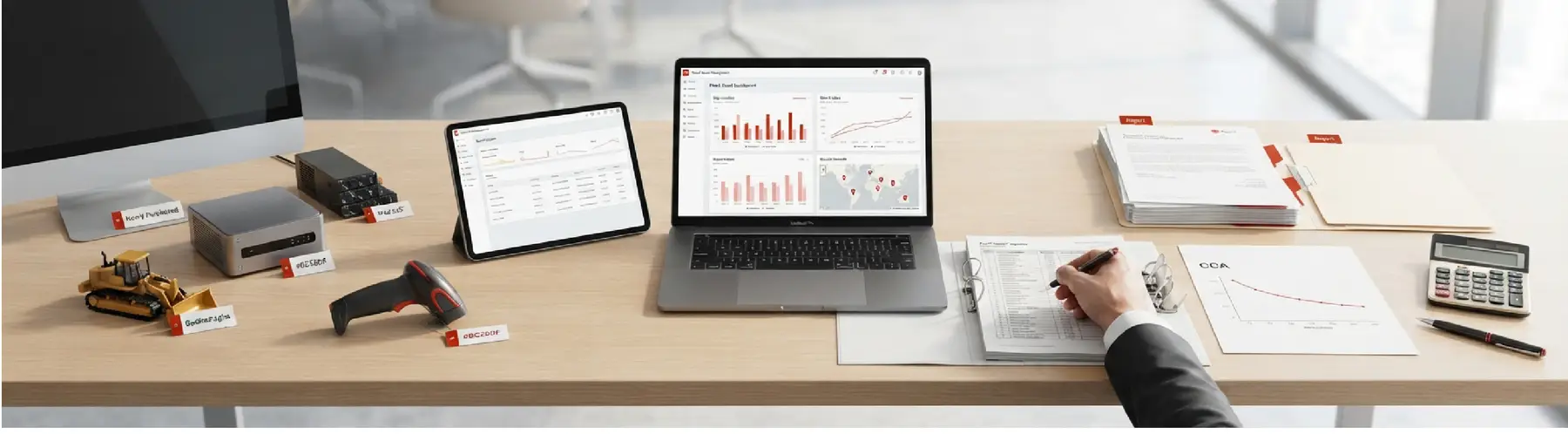
Your Business Has Significant Capital Investment
A structured process helps management control assets throughout their useful life.
Our Fixed Asset Management Services in Canada
We manage the financial records and operational information needed to keep your capital asset data accurate and usable.
Fixed Asset Register Management
We create, update, and maintain a central record of your assets, including acquisition details, cost, location, status, and relevant accounting information.
Asset Classification and Capitalisation
We review purchases and help determine which costs belong in the fixed asset records based on the applicable accounting policy and supporting information.
Depreciation Schedule Management
We maintain depreciation schedules, review useful-life settings, record depreciation, and keep supporting calculations consistent with your financial records.
CCA Class Reconciliation
We compare eligible depreciable property with the relevant CRA CCA classes and reconcile the tax schedules with the underlying asset information. CRA publishes specific classes and rates for different types of depreciable property.
Fixed Asset Verification
We help businesses verify asset details, locations, identifiers, and status so management can identify missing, duplicate, transferred, or retired assets.
Asset Disposal and Retirement Support
We record asset disposals, retirements, write-offs, and related documentation and help update the register and relevant accounting schedules.
Common Fixed Asset Management Problems in Canada
Poor asset records can create differences between physical assets, accounting records, and tax schedules.
Missing Assets
Equipment may remain in the register even after disposal or may never enter the register after purchase.
Incorrect CCA Classification
A business may place property in the wrong tax class or fail to review the applicable rules.
Unrecorded Transfers
Assets moved between locations may have incomplete location or custodian information.
Incorrect Depreciation
Wrong useful lives, start dates, or depreciation settings can affect financial records.
Duplicate Asset Records
The same asset may appear more than once because teams use disconnected records.
Unsupported Asset Balances
Missing invoices, disposal records, or ownership documents can make balances difficult to verify.
CCA and Tax Treatment of Fixed Assets in Canada
CRA treats tax depreciation through the CCA system rather than accounting depreciation. Businesses generally group depreciable property into prescribed classes and apply the rules that correspond to those classes.
CCA Class Identification
We review asset types and available information to support the appropriate CCA classification.
Capital Cost Review
We review acquisition costs and supporting records used to establish the tax basis of depreciable property.
Available-for-Use Review
We consider the applicable available-for-use rules when reviewing when property can enter the CCA calculation.
UCC Reconciliation
We reconcile additions, disposals, and other changes against the undepreciated capital cost records for relevant CCA classes.
Recapture and Terminal Loss Review
We help organise asset disposal information needed to assess possible recapture or terminal loss treatment. CRA’s corporate Schedule 8 supports calculations for CCA, recapture, and terminal losses.
Current CCA Changes
We monitor relevant federal CCA changes and review how applicable measures affect qualifying assets. CRA’s current guidance reflects legislative changes enacted in 2026, including temporary enhanced CCA measures for qualifying property.
Fixed Asset Accounting for Canadian Financial Reporting
Financial reporting requires a consistent accounting treatment for assets from purchase through disposal. Our Fixed Asset Services in Canada help keep asset costs, depreciation, and carrying amounts aligned with your financial reporting policies.

Asset Recognition
Record qualifying capital expenditures when the business obtains control of the asset and meets the applicable recognition criteria.
Capitalisation of Costs
Include eligible costs in the asset balance and separate capital spending from routine repairs and operating expenses.
Depreciation
Apply the approved depreciation method and useful life consistently across relevant asset categories.
Component Accounting
Separate significant components when different parts of an asset have different useful lives or depreciation patterns.
Impairment Review
Review assets for indicators of impairment and update carrying amounts when the applicable accounting requirements require a write-down.
Disposal Accounting
Remove retired or sold assets from the records and recognise the resulting gain or loss correctly.
Our Fixed Asset Management Process
We use a structured process to keep asset information consistent across accounting records, tax schedules, and operational records.
Initial Asset Register Review
We review your existing Fixed Asset Register to identify missing assets, duplicate entries, outdated information, classification issues, and unsupported balances.
Asset Data Collection and Classification
We collect purchase details, invoices, asset identifiers, locations, dates, costs, and other relevant information before assigning assets to the appropriate categories.
Depreciation and CCA Review
We compare accounting depreciation schedules with relevant CCA information and identify differences that require separate accounting or tax treatment.
Asset Reconciliation
We compare asset records with general ledger balances and available supporting documents to identify discrepancies and required adjustments.
Physical Verification
We can support physical checks of equipment, vehicles, machinery, technology assets, and other capital items to confirm existence, location, and status.
Final Reporting and Ongoing Updates
We update asset records, document agreed adjustments, and maintain schedules so new purchases, transfers, disposals, and other changes remain current.
Are Your Fixed Asset Records Up to Date?
Keep your asset register accurate, align depreciation and CCA records, and identify gaps before they affect financial reporting or tax work.
Canadian Fixed Asset Accounting and Tax Requirements
Canadian businesses should maintain separate accounting and tax records for fixed assets because financial reporting and CRA tax rules do not always use the same treatment. Finsoul Network Canada can help maintain separate accounting and tax schedules so your asset information remains clear and traceable.
- CRA CCA Rules: Apply the CCA rules and prescribed classes that match the type of depreciable property.
- Accounting Depreciation: Maintain depreciation records according to the accounting framework and company policy.
- Capital Cost Records: Keep invoices, purchase agreements, installation costs, and other evidence that supports the asset cost.
- Asset Disposal Records: Document sales, transfers, write-offs, and retirements so you can update both accounting and tax records correctly.
- Lease and Right-of-Use Records: Track applicable leased assets separately when accounting standards require recognition and measurement on the balance sheet.
- Record Retention: Keep asset schedules and supporting records for the required period so the business can support reported amounts during a CRA review or financial examination.
Fixed Asset Verification and Reconciliation
Verification connects your records with the assets your business actually owns and uses.
Physical Asset Count
Check equipment, machinery, vehicles, technology, and other capital assets against the asset records.
Asset Tag Verification
Match asset tags or identification numbers with the corresponding register entries.
Location Check
Confirm where each asset operates and update location information when assets move.
Missing Asset Review
Investigate assets that appear in the records but cannot be physically located.
Duplicate Asset Review
Identify duplicate entries that can overstate the number or value of assets.
Fixed Asset Reconciliation
Compare the Fixed Asset Reconciliation results with the general ledger and supporting schedules, then document required corrections.
Fixed Asset Software and Technologies We Use
Technology can make asset records easier to maintain and review across multiple locations.
- Digital Asset Registers: Maintain centralised asset records with key information such as cost, date, location, status, and identification details.
- Barcode and Tagging Tools: Use asset tags to support physical verification and faster asset identification.
- Depreciation Tools: Manage depreciation schedules and calculations within dedicated software or accounting platforms.
- ERP Fixed Asset Modules: Use integrated asset modules within ERP systems to connect purchases, accounting, depreciation, and disposal records.
- Asset Reporting Dashboards: Monitor asset values, movements, additions, disposals, and other management information.
- Accounting System Integration: Connect asset data with accounting systems so approved changes flow into the relevant financial records.
Documents Required for Fixed Asset Services
We may request the following records before starting the engagement:
- Fixed Asset Register: Current asset listing with costs, dates, locations, depreciation, and status.
- Purchase Invoices: Invoices and receipts supporting asset acquisitions.
- Purchase and Lease Agreements: Contracts for acquired, financed, or leased assets.
- Depreciation Schedules: Current accounting depreciation calculations and supporting schedules.
- CCA Schedules: Tax depreciation schedules and relevant CCA class information.
- Disposal Records: Sale invoices, transfer records, write-off documents, and retirement evidence.
Fixed Asset Management Cost and Timelines in Canada
Project timing and fees depend on the number of assets, asset classes, locations, record quality, and the amount of cleanup required.
Disclaimer: Pricing and timelines provide general planning guidance. Final fees depend on asset volume, locations, data quality, and engagement scope.
Industries We Support With Fixed Asset Management
Our Fixed Asset Services in Canada support businesses that manage significant equipment, property, vehicles, technology, or other capital assets.
Manage machinery, production equipment, tools, facilities, and related capital records.
Track heavy equipment, vehicles, tools, site assets, and capital improvements.
Maintain records for vehicles, fleet equipment, and related assets across operating locations.
Organise property-related capital assets, building components, equipment, and improvements.
Track servers, computers, networking equipment, and other technology assets.
Manage specialised equipment, infrastructure, machinery, and supporting capital assets.
Why Choose Our Fixed Asset Management Services in Canada?
Finsoul Network Canada provides structured asset management support that connects operational records with accounting and tax information.

We keep asset details consistent and supported by appropriate documentation.
We maintain clear distinctions between financial depreciation and CRA CCA treatment.
We help compare physical assets with records and investigate differences.
We review asset schedules against the general ledger and supporting documents.
We work with suitable asset management and accounting systems to improve record maintenance.
We can maintain records as your business acquires, transfers, upgrades, or disposes of assets.
Get Your Fixed Assets Properly Managed
Keep your asset records accurate from acquisition through disposal. Our Management Services in Canada help you maintain reliable asset schedules, support financial reporting, and organise CCA information for applicable tax work. Finsoul Network Canada can review your current asset records and recommend the right level of support.
Note: The above-mentioned services are provided via network firms if not provided directly
Frequently Asked Questions
How often should a fixed asset register be reviewed?
Review it at least annually and whenever your business makes significant acquisitions, disposals, transfers, or changes to its asset structure.
Can fixed asset management cover assets in multiple locations?
Yes. A structured register can track asset location, identification, custodian, status, and movement across multiple business sites.
Should accounting depreciation and CCA use the same calculation?
Not necessarily. Financial reporting depreciation follows the applicable accounting framework, while CRA uses the CCA system for tax purposes.
Can you help identify assets that should be removed from the register?
Yes. We can review disposals, retirements, missing assets, duplicate entries, and other records that may require removal or correction.